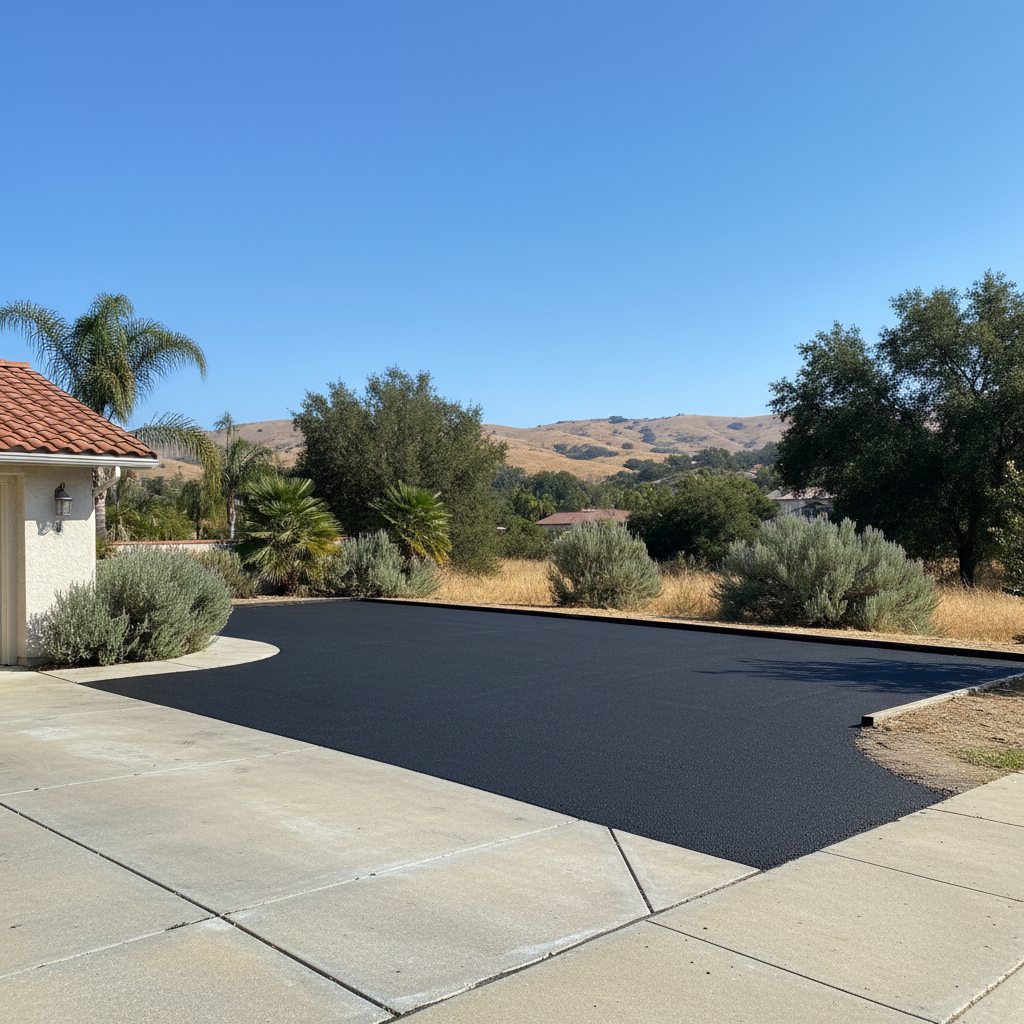
Alright, Murrieta homeowners, let's talk about that asphalt. Whether it's your driveway, a private road, or a parking area, you'll eventually spot some cracks or potholes. It just happens, especially with our hot summers and those heavy rains we sometimes get here in Southern California. When that day comes, you need a plan, not a full-blown panic. This isn't just about making things look good, you know; it’s really about protecting your investment and keeping everyone safe.
Understanding How Long Your Asphalt Repair Takes
So, exactly how long does this whole process take? Well, it honestly depends on the kind of repair you need. Quick fixes, like filling cracks or patching up small potholes, usually go pretty fast. Most of these jobs wrap up in a single day. If you're looking at something bigger, maybe resurfacing your driveway, that could be one to two days. A complete replacement? That might stretch to two to four days, sometimes even more, depending on how big and complicated the job is.
Here’s a rough idea of what you can expect:
- First Look & Price: This is step one. A good contractor, like us at Classic Asphalt Co, will come out, check the damage, and give you a detailed estimate. That usually happens within a few days of your call.
- Getting on the Schedule: Once you say yes to the quote, we'll get you on the books. This timing can shift based on the time of year and how busy the contractor is. Spring and fall are often perfect for asphalt work because the temperatures are milder, which helps the material cure just right. Our Murrieta climate often lets us work year-round, but really extreme heat can sometimes mess with scheduling.
- The Actual Repair: Like I said, most repairs are quick. For example, crack filling means cleaning out the cracks and putting down a sealant to stop water from getting in and causing more damage. Pothole repair involves cutting out the bad section, getting the base ready, and then filling it with fresh asphalt.
- Curing Time: This part is super important. You can usually drive on newly fixed asphalt within 24-72 hours, but it keeps curing and getting harder for several weeks after that. We always suggest you avoid heavy vehicles, sharp turns, or parking in the exact same spot for too long during that first week. Being patient here really pays off with a more durable surface.
What Happens During the Work
When the crew shows up, you’ll see a pretty organized operation unfold. First, they'll make sure the area is safe. That means putting up barricades or cones to manage traffic and keep everyone away from the work zone. Then, they’ll start getting the surface ready. This is a crucial step, by the way.
- Cleaning and Prep: They’ll clean the area really well, getting rid of any loose stuff, dirt, weeds, and plants from cracks and potholes. You certainly don't want any of that junk messing with how the new asphalt sticks. They might use wire brushes, blowers, or even heat lances to make sure everything is spotless and dry.
- The Repair Itself: Depending on what needs doing, you’ll see them cutting out damaged parts, putting in crack filler, or laying down new asphalt. For bigger repairs or resurfacing, they’ll make sure the base is solid and packed down properly.
- Compaction: After new asphalt goes down, rollers compact it to make sure it’s dense and smooth. This is key for it to last.
- Cleanup: A good crew will clean up the work area when they're finished, leaving your property looking neat and tidy.
How to Get Your Property Ready
You can do a few things to help the process go smoother for everyone involved:
- Clear the Area: Move your cars, RVs, trash cans, and anything else off the driveway or the spot that needs fixing. This gives the crew plenty of room to work.
- Trim Plants: If you have bushes or tree branches hanging over the asphalt, trim them back. This keeps them out of the way and prevents them from getting damaged.
- Mark Sprinklers/Utility Access: If you have any hidden sprinkler heads, utility access points, or delicate landscaping near the edge of the asphalt, mark them clearly. This really helps the crew avoid accidental damage.
- Keep Pets & Kids Away: For their safety and the crew's, make sure pets and children stay clear of the work zone while repairs are happening.
- Talk to Us: If you have any specific worries or questions before the work starts, just talk to your contractor. Good communication is always the best way to go.
Questions to Ask Before You Sign Anything
Before you commit, you need to be sure you're hiring the right folks for the job. Don't be shy about asking questions—you deserve answers! Here are some I'd definitely recommend:
- Are you licensed and insured? This isn't optional. Make sure they have general liability insurance and workers' compensation. That protects you if there's an accident or something gets damaged.
- How long have you been doing this, and what's your experience with this kind of repair? You want someone with a proven track record, especially considering our specific climate and soil conditions right here in Murrieta.
- Can I see references or examples of similar work? Any reputable contractor will be happy to share these.
- What exactly does the estimate include? Get a detailed breakdown of labor, materials, equipment, and any possible extra fees. Nobody likes surprises, right?
- Do you offer a warranty on your work? A good contractor stands behind their repairs. Ask what the warranty covers and for how long.
- What's the estimated timeline for the project? Get a clear idea of when they expect to start and finish.
- How do you handle unexpected issues? Sometimes, once you start digging, you find things you didn't expect. Ask how they'll tell you about these and what the process is for approving any additional work.
Getting your asphalt repaired doesn't have to be a huge headache. With a little planning and by asking the right questions, you'll have that driveway looking great and lasting for years to come. If you've got questions or need a quote, just give Classic Asphalt Co a call. We're here to help Murrieta homeowners get the job done right.