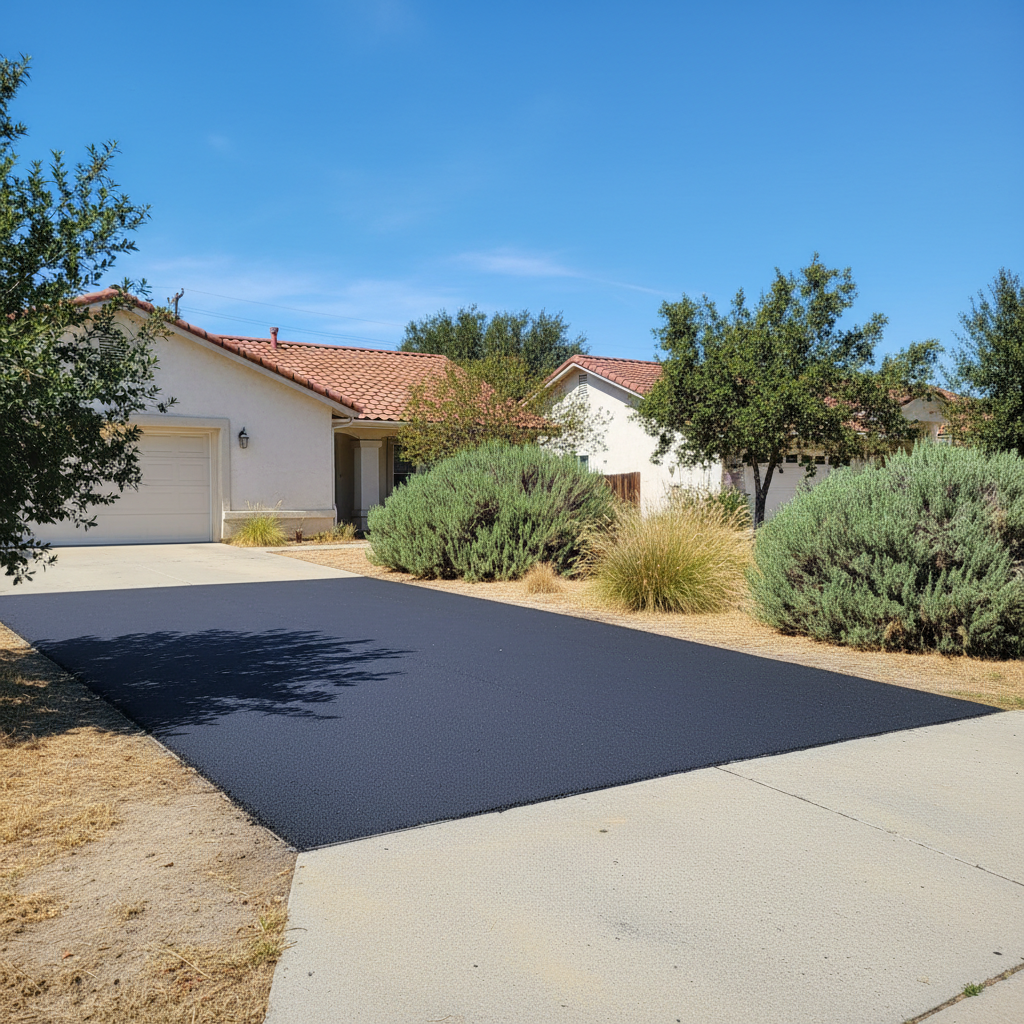
Alright, let's talk about asphalt patching here in Murrieta. I've been doing this long enough to know that our unique Southern California weather isn't always kind to pavement. You can't just slap a patch down whenever and expect it to hold up, can you? There's a science to it, especially when you factor in our scorching summers and those winter rains.
When's the Best Time to Patch Your Asphalt?
Timing is everything when it comes to asphalt patching. You want the material to bond properly and cure effectively, and that means paying attention to the thermometer and the forecast.
- Spring: Just Right. Spring is often considered one of the best times to start your asphalt maintenance projects. The moderate temperatures we get in Murrieta during spring are perfect – not too hot, not too cold. This reduces the risk of cracks and surface damage that extreme temperatures can cause. Plus, it's a great time to address any issues that popped up over winter before they get worse.
- Early Fall: Prep Time. Fall is also a good window, especially for crack sealing and minor repairs. Getting those cracks sealed before the winter rains hit is crucial. It stops water from seeping underneath and weakening the base, which is a common problem with our clay soils that expand when wet and contract when dry.
- Summer: Be Careful (for patching). While summer is prime time for larger paving projects because the heat helps asphalt cure faster, for patching specifically, you need to be careful. Our Murrieta summers can see temperatures regularly in the high 90s, sometimes over 100 degrees. This intense heat can make asphalt too soft, affecting how well a patch adheres and compacts. If you're doing a patch in summer, it's got to be done right, with the right mix and proper compaction to handle that heat.
- Winter: Not Usually. Winter is usually not the time for planned asphalt work. Low temperatures can hinder proper curing and adhesion, meaning your patch won't last. However, if you've got a dangerous pothole, emergency repairs might be necessary, but it's not ideal for long-term solutions.
Weather Conditions That Affect the Work
It's not just the season; the specific weather on the day of the work really matters. Here's what we're looking at:
- Temperature: Asphalt needs to be hot enough to be pliable and bond correctly, ideally around 175 degrees Fahrenheit for application. If it's too cold, the material won't spread or bond strongly. If it's too hot, especially during our intense August afternoons, it can soften too much, leading to issues like rutting.
- Moisture: Rain is asphalt's enemy. Water can prevent proper adhesion and curing. That's why scheduling patching before our rainy season is so important. Water infiltration into cracks is a leading cause of base erosion and further damage.
- UV Radiation: Murrieta gets a lot of sun, and that intense UV radiation breaks down the binders in asphalt over time, making it brittle and prone to cracking. While this isn't a direct factor for the patching process itself, it's why regular maintenance is so critical.
- Soil Conditions: We've got expansive clay soils in parts of Murrieta, like over in French Valley. These soils shrink when dry and expand when wet, putting stress on your pavement from underneath. This movement can open up cracks, making patching a recurring need if the underlying issue isn't addressed.
Protecting Your Investment Year-Round
A good patch is just one piece of the puzzle. To really make your asphalt last, you need a year-round strategy.
First, regular inspections are non-negotiable. Walk your driveway or parking lot regularly, especially after a heavy rain or a stretch of extreme heat. Catching small cracks and potholes early means a simpler, less expensive fix. Don't let a tiny crack turn into a massive pothole because you ignored it.
Second, crack sealing is your best friend. As soon as you see a crack, get it sealed. This is especially important before winter. It prevents water from getting into the sub-base, which is what causes bigger problems like potholes and alligator cracking when the water freezes and expands (even if it's just a little bit here in Murrieta).
Third, consider sealcoating every two to three years. This protective layer is like sunscreen for your asphalt. It shields it from the sun's harsh UV rays and helps prevent water penetration, keeping the asphalt binders from drying out too quickly in our hot climate. Classic Asphalt Co uses quality materials designed to stand up to Murrieta's high UV index and temperature swings.
Finally, ensure proper drainage. If water pools on your asphalt, it's going to cause problems. Good drainage prevents water from sitting and seeping into the pavement, which can erode the sub-base. If you've got standing water issues, it's worth getting a pro to look at it.
Taking these steps throughout the year will save you money and headaches in the long run. It's all about being proactive and understanding how our local Murrieta climate affects your asphalt. If you've got questions or need a hand with any of this, you know who to call.