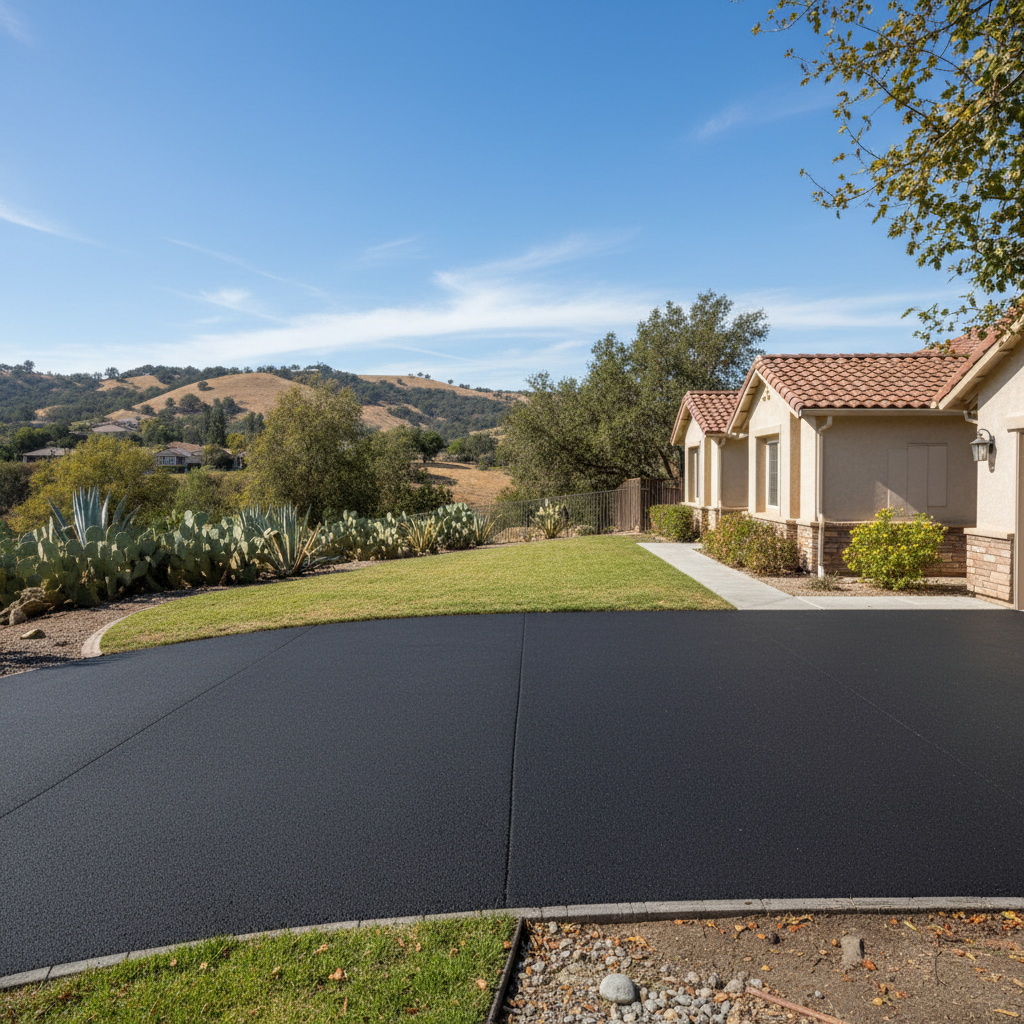
Alright, let's talk about your asphalt driveway here in Murrieta. I get a lot of calls from folks wondering when the 'right' time is to get their paving done, or why their driveway seems to be cracking faster than their neighbor's. It's not just about slapping down some hot mix; our local climate plays a huge role in how long your asphalt lasts and when it's best to work on it.
When's the Best Time to Pave or Repair?
This is probably the most common question I hear. For new asphalt paving or major repairs, you're really looking for a sweet spot in the weather. We need consistent temperatures, usually above 50 degrees Fahrenheit, for the asphalt to cure properly. Here in Murrieta, that means spring and fall are your absolute best bets. Think March through May, and then again September through November.
Why those times? Well, in the spring, the ground's had a chance to dry out from any winter rains we might get, and the temperatures are steadily rising without being scorching hot. The asphalt mix stays workable for longer, and it compacts better. In the fall, you get similar conditions – warm days, but not the brutal heat of summer that can cause the asphalt to cool too quickly or even get too soft during installation. If it's too cold, the asphalt can become brittle and won't bond as well, leading to premature cracking. If it's too hot, like those 100-degree days we get in July and August, the mix can be tough to work with, and you risk issues with compaction and proper curing.
Weather Conditions That Affect Asphalt Work
Beyond just temperature, there are a few other things we're always watching. Rain, obviously, is a no-go for paving. You can't lay asphalt on a wet base; it just won't bond right, and you'll end up with a weak, failing surface. Even high humidity can be a problem sometimes, making it harder for sealcoats to dry properly.
Wind is another factor. Strong winds can cool the asphalt mix down too quickly during installation, especially on larger driveways. It's all about getting that perfect temperature for compaction. That's why when you call us at Classic Asphalt Co, we're not just looking at your schedule; we're looking at the forecast for a solid window of good weather.
Protecting Your Investment Year-Round
Once you've got that beautiful new or repaired driveway, you want it to last, right? Here's how you keep it looking good and performing well, especially with our Murrieta climate:
- Sealcoating is Key: I can't stress this enough. Sealcoating every 2-3 years is your best defense. It protects against UV rays, which are intense here in Southern California. That sun bakes your asphalt, drying out the binders and making it brittle. Sealcoat acts like sunscreen for your driveway, preventing oxidation and keeping it flexible. It also helps repel water and oil spills.
- Address Cracks Promptly: See a crack? Don't wait. Even small cracks let water seep underneath, which is terrible for your base. If that water freezes (rare, but it happens on cold Murrieta mornings) or just softens the sub-base, you're looking at bigger problems like potholes. Crack filling is a relatively inexpensive fix that saves you a lot of money down the road.
- Keep it Clean: Dirt, debris, and oil spills aren't just ugly; they can break down your asphalt. Sweep or hose off your driveway regularly. If you spill oil or gas, clean it up immediately. Those chemicals are asphalt's worst enemy.
- Watch for Water: Proper drainage is critical. If you have areas where water pools on your driveway after a rain, that's a problem. Standing water accelerates deterioration. Sometimes it's a simple fix, other times it might indicate a need for minor grading adjustments.
- Avoid Heavy Loads: Try not to park exceptionally heavy vehicles (like RVs or commercial trucks) in the same spot for extended periods, especially during hot summer months when the asphalt is softer. Spreading out the load helps.
Look, your driveway is a big investment. Taking these steps throughout the year, and knowing when to schedule professional work, will really extend its life. We've seen driveways in places like Bear Creek that were well-maintained last for decades, and others that were neglected fall apart in less than ten years. It's all about being proactive. If you've got questions or need an assessment, give Classic Asphalt Co a call. We're always happy to take a look and give you honest advice.